
What Actually is Antelope Canyon?
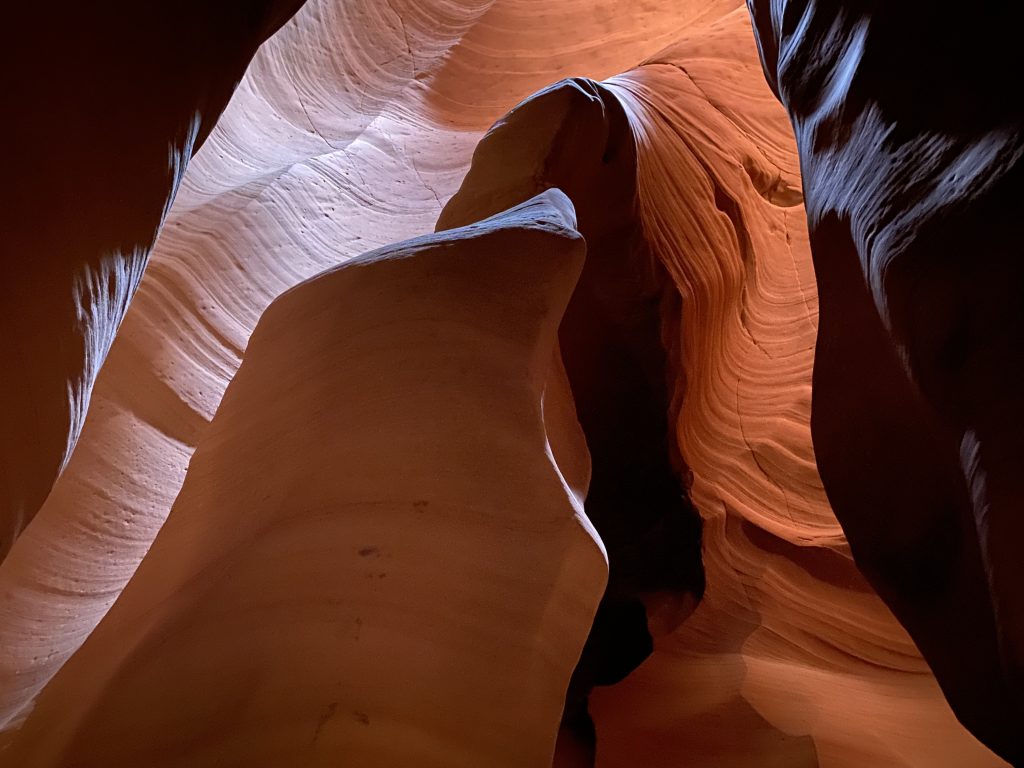
Antelope Canyon, one of the most famous slot canyons in the world, but what does that mean? What about its geography and geology? How big is it? How was it made?
What is a Slot Canyon?
A slot canyon is a narrow, vertical canyon that is typically formed by flash flooding and erosion. These canyons are often characterized by their steep walls, which are carved by water as it cuts through soft rock over millions of years. The term “slot” refers to the narrowness of the canyon, which can range from just a few feet wide to several yards across. The walls of slot canyons often feature intricate, winding shapes, creating stunning visual effects as light filters through the narrow openings.
The erosion process that forms slot canyons often begins with the flow of water over the landscape, typically during seasonal rains or flash floods. As water flows through the canyon, it erodes the rock, gradually deepening and widening the passage. Over time, the erosive power of the water creates sculpted walls that bend and twist, forming the signature curving shapes found in slot canyons. The result is a narrow passage that often feels like a hidden world, with sunlight filtering through the canyon’s narrow openings and casting beautiful shadows on the walls.
The Physical Length of Antelope Canyon
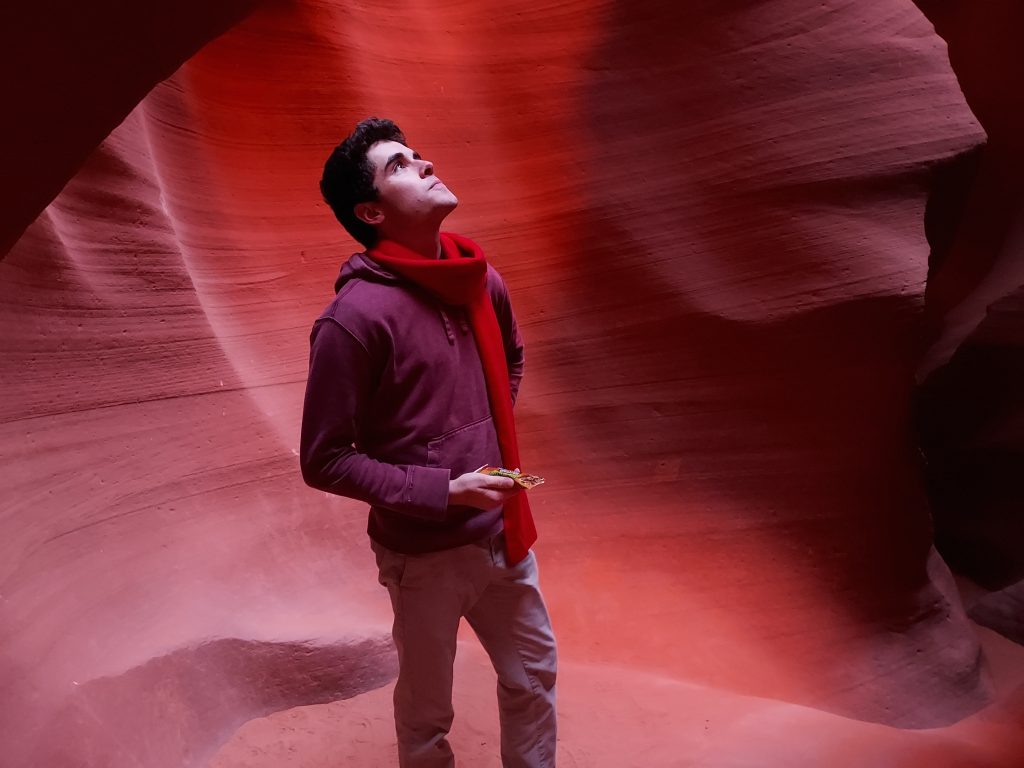
Antelope Canyon Wash is a natural slot canyon, approximately 30 miles long and includes a number of different sections. Only certain sections can be visited. These spots have been opened, allowed and maintained by Navajo families that the tours. Visitors cannot just drive up on their own to the canyon and explore on their own.
How Was Antelope Canyon Formed?
The formation of Antelope Canyon is a testament to the immense power of water and time. The canyon was carved over thousands of years by flash floods and the erosive forces of wind and water. The rock in the region consists primarily of Navajo Sandstone, which is a type of sedimentary rock that formed over 190 million years ago during the Jurassic period.
The canyon’s formation began when water from seasonal rains started flowing through the sandstone layers. The narrow, winding path of the canyon was initially created by the erosion of softer rock layers as water began to carve its way through the landscape. Over time, flash floods, which are common in the desert region, deepened and widened the canyon, creating the smooth, flowing shapes seen today.
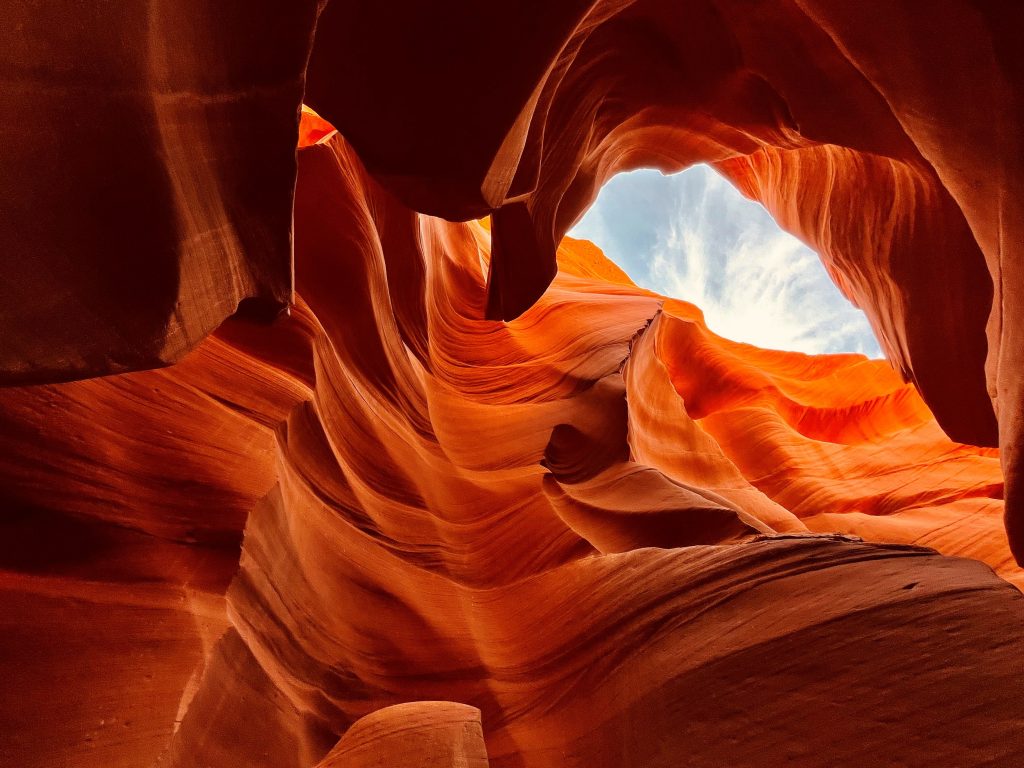
One of the most striking features of Antelope Canyon is the way the water has sculpted the sandstone into unique, wave-like shapes. The water flow over the sandstone eroded it unevenly, leaving behind walls with curves, bends, and undulations that seem to defy the laws of geometry. This sculptural process is called “wind and water erosion,” and it is responsible for the stunning beauty of the canyon walls, which appear to ripple and wave in various patterns.
The narrowness of the canyon and its steep walls are the result of flash floods, which have repeatedly inundated the area over the millennia. These floods are often sudden and unpredictable, carving deeper into the canyon and creating the narrow, slot-like features for which the canyon is named. The combination of water erosion, wind erosion, and the softness of the sandstone rock has resulted in a canyon that is narrow, deep, and visually dramatic.
The Surrounding Landscape
Antelope Canyon is located within the Arizona desert, specifically in the region known as the Navajo Nation, which spans portions of Arizona, Utah, and New Mexico. The surrounding landscape is dominated by vast stretches of desert terrain, with dry, dusty plains, mesas, and rock formations that evoke a sense of timelessness and solitude.
The desert environment surrounding Antelope Canyon is harsh, with extreme temperatures and little rainfall. This makes the canyon’s lush, vibrant colors even more striking against the arid backdrop. The region’s climate is typical of the Southwestern United States—hot summers and mild winters, with occasional rainstorms that contribute to the formation of flash floods.
In addition to the iconic Antelope Canyon, the surrounding area features other notable natural attractions, including Lake Powell, the Colorado River, and Monument Valley. These sites are all part of the larger geological landscape that defines the American Southwest, which is known for its striking rock formations, dramatic canyons, and sweeping vistas.
The landscape around Antelope Canyon also features a variety of desert plants, including cacti, sagebrush, and yucca, as well as wildlife such as desert foxes, bighorn sheep, and numerous species of birds. Despite the harsh conditions, life thrives in this desert environment, creating a dynamic and diverse ecosystem that contrasts sharply with the barren-looking landscape.
Depth of Antelope Canyon
Antelope Canyon varies in depth depending on which section of the canyon is being explored. The depth of the canyon walls ranges from 30 to 130 feet (9 to 40 meters). The upper part of the canyon is typically narrower, with walls that rise sharply, creating a dramatic vertical drop. In contrast, the Lower Antelope Canyon features more gradual slopes and wider passages, but the walls still rise to impressive heights.
The difference in depth between different sections of Antelope Canyon contributes to their distinct characteristics. The narrow sections display a vertical passage which is perfect for capturing the light beams that filter through the canyon’s opening, creating a mystical and ethereal atmosphere. The wider parts offer more winding and complex formations, offers a more adventurous feel. Within each section, there are a variety of shapes, heights, widths and directions, making each area unique and amazingly beautiful.
Sections of Antelope Canyon Open to Visitors
Antelope Canyon is divided into several sections. These are all open to the public, but each offers a different experience. All of these sections of Antelope Canyon are accessible through guided tours. Due to safety concerns, including the risk of flash floods, visitors are not permitted to explore the canyon on their own. Guides, often from the Navajo Nation, lead groups through the canyon, ensuring a safe and informative experience.
Upper Antelope Canyon (The Crack): The Upper Antelope Canyon is the most well-known and accessible of the two. It is a relatively easy hike, with the canyon floor being level and requiring only minimal physical exertion. The narrow entrance to the canyon opens up into a larger chamber, where visitors are treated to stunning views of smooth, swirling sandstone walls and dramatic light beams that shine down from the opening above. These light beams are especially prominent in the summer months, when the sun is positioned at the right angle to illuminate the canyon’s interior. Upper Antelope Canyon is generally the more crowded section of the canyon, as it attracts photographers and tourists from around the world.
Lower Antelope Canyon (The Corkscrew): The Lower Antelope Canyon is a more challenging and physically demanding section. The path through this section of the canyon involves climbing ladders and navigating narrow, winding passages that require more effort. However, the Lower Antelope Canyon is also less crowded, offering a more peaceful and intimate experience. The rock formations in this section are just as breathtaking as those in the Upper Antelope Canyon, but the winding, twisting paths and unique formations make it an exciting adventure for those willing to put in a bit more effort.
Antelope Canyon X: This is a unique section, named after the X carved into the Navajo Sandstone created by millions of years of rainfall and wind. From the check-in area, you will be transported in a vehicle 3 miles to the mouth of Antelope Canyon X, where you then hike 100 meters into Antelope Canyon X. At the bottom, your Navajo guides assist you through a tour of the first slot canyon. After the first slot canyon section is complete, guides accompany you on the 200-meter walk to the second slot canyon section. It includes 334 feet of walking, and great lighting, with occasional light beams. In the afternoon, Canyon X shows darker hues of purple and blue. There are no ladders involved in visiting Antelope Canyon X.
Secret Antelope Canyon: Horseshoe Bend Slot Canyon, or Secret Antelope Canyon offers both A-shaped and V-shaped sections. It includes a half mile total walking, great lighting most of the day, and allows taking video. Secret Antelope Canyon is part of the Antelope Canyon wash and is still an undiscovered gem, spectacular and photogenic but without the crowds. Visits are by smaller groups, each of which is the only group in the canyon at that time. There are no stairs or ladders.
Mystical Antelope Canyon: This is a relatively new section to offer an Antelope Canyon experience. Visitors will find a more intimate and tranquil alternative to some of the other areas. It is less crowded, and more relaxed and peaceful. Located between Upper Antelope Canyon and Antelope Canyon X, this canyon is a slot canyon a beautiful display of what makes the area famous. But what sets it apart is its mystical atmosphere, characterized by soft beams of light, ethereal colors, and narrow passageways that create an almost spiritual feeling for visitors. The canyon gets its name from the way the sunlight interacts with the canyon walls during certain times of the day. As sunlight filters through the narrow gaps at the top of the canyon, it casts dramatic shadows and creates otherworldly lighting effects that seem to transport visitors into a different realm. These phenomena are often described as “mystical” due to their surreal, dream-like qualities.
Ownership and Cultural Significance
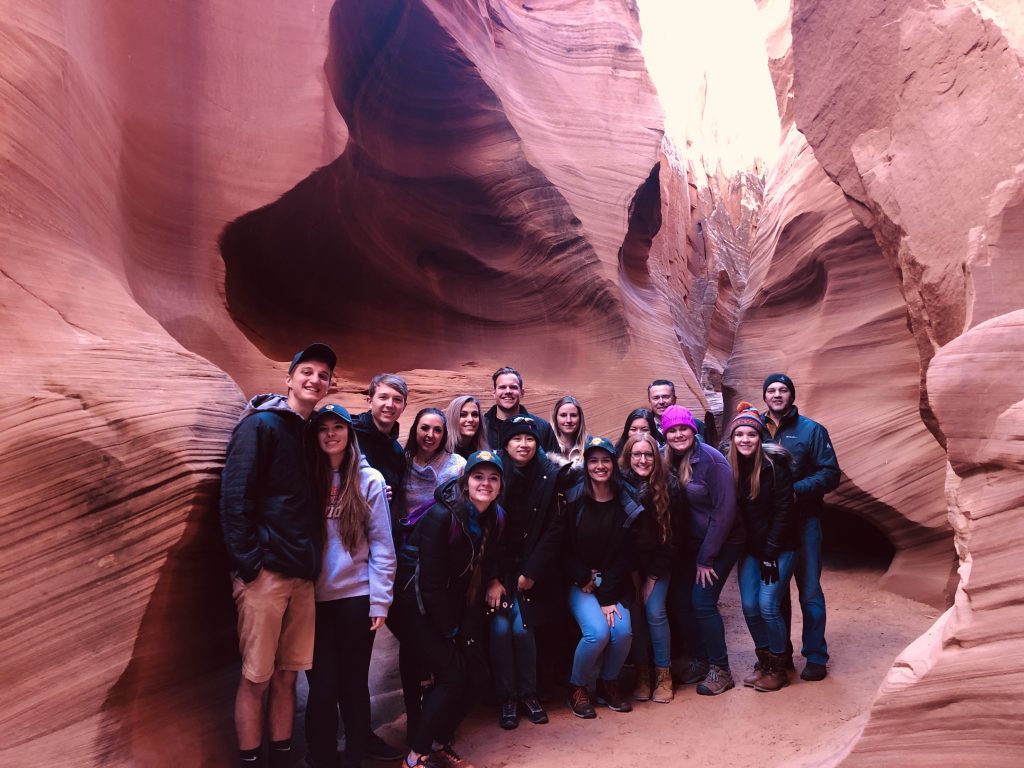
Antelope Canyon is located on land that is part of the Navajo Nation, a sovereign Native American territory. The canyon is owned and managed by the Navajo Nation and is operated through various authorized tour companies. These companies are licensed by the Navajo Nation and provide guided tours for visitors, with a portion of the proceeds benefiting the tribe and supporting local businesses.
The Navajo people, who have lived in the American Southwest for centuries, have a deep connection to the land and its natural features. Antelope Canyon, like many other sites in the region, holds cultural and spiritual significance for the Navajo. The canyon’s unique beauty and the natural forces that shaped it are seen as sacred, and the Navajo Nation takes great care in preserving the canyon for future generations.
The Navajo Nation’s stewardship of Antelope Canyon reflects a broader commitment to preserving and sharing the cultural heritage of the tribe while also promoting responsible tourism. Visitors to the canyon are encouraged to respect the land, the natural formations, and the traditions of the Navajo people.
Conclusion
Antelope Canyon is a remarkable natural wonder that showcases the power of erosion and the beauty of the American Southwest. Its narrow, twisting passageways, sculpted sandstone walls, and ethereal light beams have made it one of the most iconic slot canyons in the world. The canyon’s physical geography—the result of millions of years of water erosion—is a testament to the forces of nature, while its cultural and historical significance reflects the deep connection the Navajo people have with the land. Whether you explore the Upper or Lower Antelope Canyon, the experience is one that is sure to leave a lasting impression, highlighting both the beauty of the natural world and the cultural heritage of the Native American people who call this land home.

