
When Should I Visit Antelope Canyon
1. When is the Best Time to Visit Antelope Canyon?
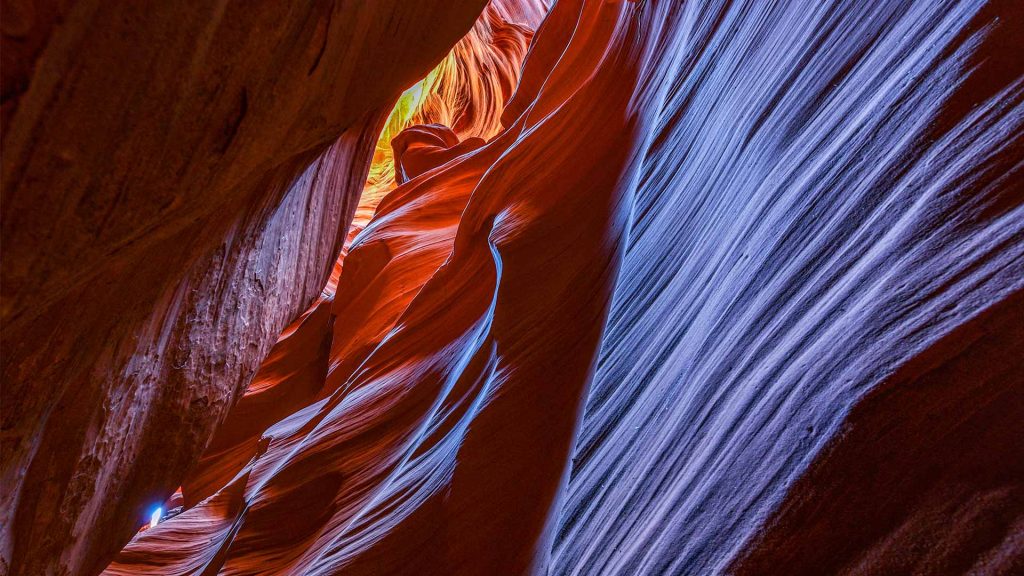
Understanding the best time to visit Antelope Canyon involves considering several factors, including seasons, time of day, light conditions, and ticket prices. Antelope Canyon, situated on Navajo land near Page, Arizona, is characterized by its narrow passageways and wave-like sandstone walls, which have been sculpted by the forces of wind and water over millennia. The slot canyon has several different sections that you can visit:
- Upper Antelope Canyon: Known for its wider, more open spaces and spectacular light beams.
- Lower Antelope Canyon: Features narrower passageways and more intricate rock formations, requiring more physical effort to explore.
- Antelope Canyon X: Offers two different sections to walk through, displaying the special “X” shape, and the Lady in Red.
- Secret Antelope Canyon: Features a less crowded, yet incredible experience with stunning canyon walls, as well as a visit to the privately owned section of Horseshoe Bend
All sections are accessible only through guided tours, which help protect the delicate environment and ensure visitor safety. The walking tours will be led by a Navajo guide.

2. When is the Best Time to Visit Antelope Canyon?
Spring (March to May): Spring is one of the most favorable times to visit Antelope Canyon. The weather is mild, with temperatures ranging from the mid-50s to mid-70s Fahrenheit (10-24°C), making it comfortable for exploration. The spring season also brings fewer crowds compared to the summer months, allowing for a more relaxed experience.
Summer (June to August): Summer is the peak tourist season for Antelope Canyon. Temperatures often exceed 100°F (38°C) in Page, making the heat intense. Despite the warmth, summer is the best time to witness the iconic light beams, especially in Upper Antelope Canyon. This is when sunlight streams down into the canyon’s narrow corridors, creating dramatic light effects. However, due to the high demand, tours can be crowded, and booking in advance is essential.
Fall (September to November): Fall offers a pleasant climate, with temperatures ranging from the mid-60s to mid-80s Fahrenheit (18-29°C). The lower temperatures and reduced crowds make it an excellent time for visiting. While the light beams are less intense than in summer, the fall colors and softer light provide a different but equally beautiful experience.
Winter (December to February): Winter brings cooler temperatures, often ranging from the 30s to 50s Fahrenheit (0-10°C). While the cold can be a drawback, it also means fewer visitors, providing a quieter experience. The light beams are not as prominent in winter, but the stark, serene beauty of the canyon in the winter months can be equally mesmerizing.
3. Best Time of Day for Optimal Lighting
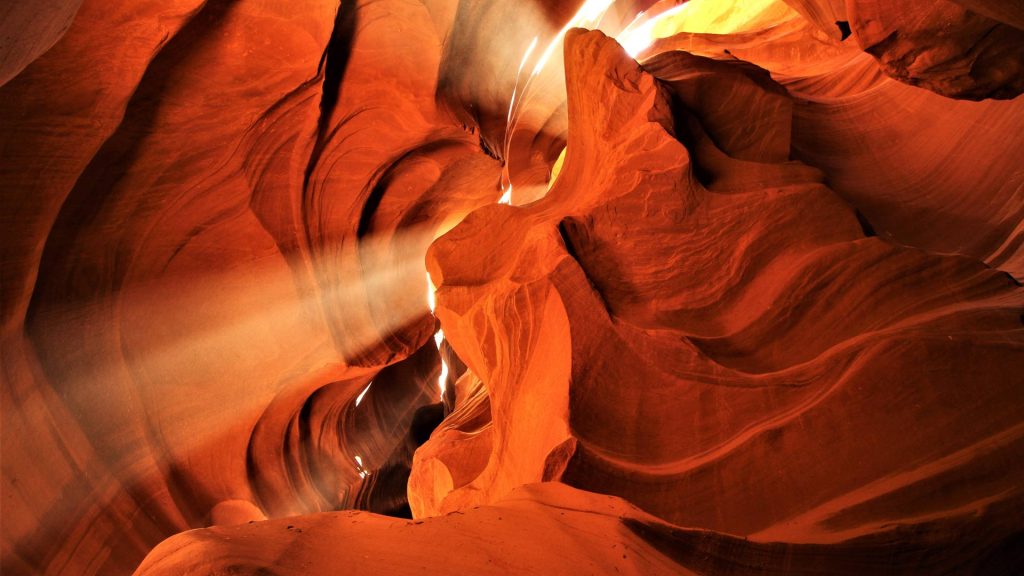
Morning (8:00 AM – 11:00 AM): In Upper Antelope Canyon, the best light beams are usually visible from around 10:00 AM to 11:30 AM. During this time, sunlight enters the canyon through the narrow openings above, creating the striking vertical shafts of light that the canyon is famous for. For Antelope Canyon X, this middle of the day offers a chance to see light beams. In Lower Antelope Canyon, the lighting is generally softer and more diffused, making morning visits a good time to avoid the harsh shadows often present later in the day.
Afternoon (12:00 PM – 3:00 PM): Late morning to early afternoon is ideal for photographing the light beams in Upper Antelope Canyon. After 11:30 AM, the light beams gradually diminish, but the warm, glowing hues of the canyon walls remain stunning. Antelope Canyon X offers some of its best views in the morning and through the middle of the day; later afternoon offers beautiful hues of purple, red and orange. Lower Antelope Canyon experiences less dramatic lighting in the afternoon, but offers beautiful photo opportunities with the right angles and lighting conditions.
Late Afternoon (4:00 PM – 6:00 PM): By late afternoon, the sun’s angle changes, and the light beams in Upper Antelope Canyon are no longer visible. However, the softer, warmer light can create a different mood and enhance the textures of the canyon walls. Antelope Canyon in the late afternoon light can provide a softer, more evenly lit view of the canyon’s features, with deep colors and shadows.

4. The Iconic Light Beams
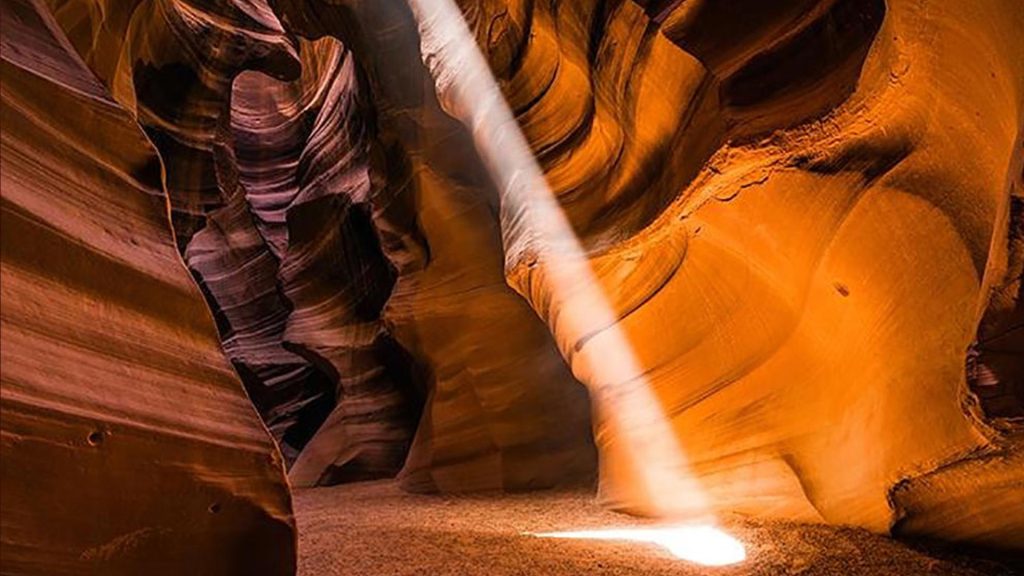
The light beams in Antelope Canyon are a major attraction and are the result of sunlight filtering through narrow openings in the canyon ceiling. The beams are most prominent when the sun is directly overhead, typically from late March to early October. During this period, the angle of the sun creates these stunning vertical light shafts that dance across the canyon walls.
The intensity and visibility of the light beams depend on several factors:
- Weather Conditions: Clear, sunny days are best for seeing the light beams. Overcast skies or rain can diminish their visibility.
- Time of Year: As mentioned, the light beams are most prominent during the summer months when the sun is higher in the sky.
- Time of Day: The light beams are best viewed between 10:00 AM and 11:30 AM. During this time, the sunlight enters the canyon at the right angle to create these striking effects.
5. Ticket Prices and Booking
Ticket Pricing: Ticket prices for Antelope Canyon tours vary depending on the time of day, season, and tour type. Tours are typically more expensive during the prime light beam hours around 10:00 AM to 12:00 PM. They often sell out during the peak times as well. Off-peak prices are generally lower, when light beams are less prominent, but the canyon’s beauty remains captivating. Prices may also vary according to the season. There are a number of different tour companies, all Navajo owned, which manage the local walking tours inside the slot canyon. Each of the tour companies has its own pricing, which means there can be an array of prices available.
Booking Tips:
- Advance Reservations: Given the popularity of Antelope Canyon, especially during peak season, it is crucial to book your tour well in advance. Some tours can sell out months ahead of time. Booking a day tour from Las Vegas that includes Antelope Canyon is a good way to plan in advance. If you are driving yourself, then it is also important to pre-purchase an admission ticket to make sure you can visit when you are in Page area.
- Tour Types: You can choose to drive yourself to Page, Arizona, or take a shuttle, and stay a few days to see and do all the many things there. Or you may choose a day tour from Las Vegas that includes an admission ticket to Antelope Canyon as well as a visit to Horseshoe Bend Overlook.
- Tour Duration: The walking tour is usually about 1 hour, but it is required to arrive thirty minutes early to check in and be ready. Allow extra time for travel and potential waiting periods, as late arrivals may not be admitted to Antelope Canyon.
6. Practical Tips for Visiting Antelope Canyon
Clothing:
- Wear Comfortable Clothing: The canyon can be dusty, so wear comfortable, breathable clothing that you don’t mind getting dirty.
- Footwear: Sturdy, closed-toe shoes with good grip are essential, as the canyon floor can be uneven and slippery.
Weather Considerations:
- Heat: During the summer, temperatures can be extreme, so stay hydrated and wear sunscreen. The canyon itself will be cooler than outside, but it’s important to be prepared.
- Cold: In winter, dress in layers and be prepared for colder temperatures, especially in the early morning or late afternoon.
Respect the Environment:
- Stay on Designated Paths: To protect the delicate ecosystem, always follow your guide’s instructions and stay on marked trails.
- No Littering: Keep the canyon pristine by taking all your trash with you.
Plan Your Visit!
Choosing the best time to visit Antelope Canyon involves balancing the factors of season, time of day, light conditions, and personal preferences. Spring and fall offer mild weather and fewer crowds, while summer provides the opportunity to witness the iconic light beams. Winter,
though colder, offers a quieter experience. The time of day significantly impacts the light conditions, with Upper Antelope Canyon showcasing the most dramatic light beams between late morning and early afternoon.
Planning your visit with these factors in mind will help ensure you have a memorable experience exploring one of the most breathtaking natural wonders of the American Southwest. Whether you’re capturing the ethereal beauty of the light beams or marveling at the intricate rock formations, Antelope Canyon promises an unforgettable adventure.

